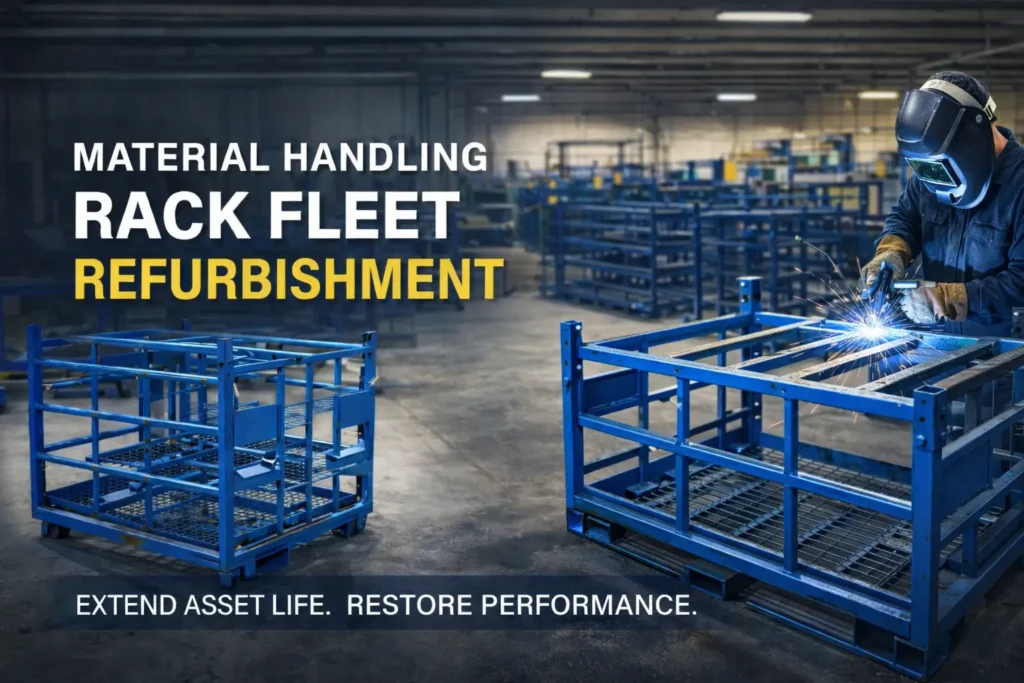
Material handling racks are a critical investment for manufacturers, warehouses, and distribution centers. Over time, even the most robust rack fleets experience wear from daily use, transportation cycles, and changing operational demands. Replacing an entire rack fleet can be costly and disruptive, which is why material handling steel rack fleet refurbishment has become a strategic alternative for companies focused on cost control, safety, and sustainability.
At Plymouth Industries, steel rack fleet refurbishment is approached as a structured, engineering-driven process designed to extend service life, restore structural integrity, and adapt existing assets to evolving workflows. This approach allows organizations to maximize the value of their current material handling equipment while minimizing downtime.
What Is Material Handling Rack Fleet Refurbishment?
Material handling rack fleet refurbishment involves restoring, repairing, and modifying existing steel racks to return them to safe, reliable operating condition. Unlike one-off rack repairs, fleet refurbishment addresses large quantities of racks in a standardized, repeatable program.
Refurbishment typically includes inspection, structural repair, welding, straightening, component replacement, surface preparation, and repainting or recoating. When required, racks can also be modified to accommodate new product dimensions, updated handling methods, or revised shipping requirements.
For organizations managing hundreds or thousands of racks, refurbishment provides a controlled way to improve consistency across the fleet while maintaining compatibility with existing logistics systems.
Why Refurbish Instead of Replace?
Rack replacement often appears straightforward, but it comes with hidden costs. New rack fabrication requires new material purchases, long lead times, and potential design changes that may impact current processes. In contrast, refurbishing a steel rack fleet leverages proven assets within the operation.
Key benefits of rack fleet refurbishment include:
- Lower capital expenditure compared to full replacement
- Reduced lead times versus new rack fabrication
- Improved safety through inspection and structural correction
- Extended rack service life with reinforced or repaired components
- Operational continuity by maintaining familiar rack designs
Refurbishment is particularly effective for steel shipping racks, stack racks, and returnable packaging systems that are designed for repeated use across supply chains.
Common Issues Addressed During Rack Fleet Refurbishment
Over time, material handling racks can develop a range of issues that compromise performance and safety. A comprehensive refurbishment program addresses these concerns systematically rather than reactively.
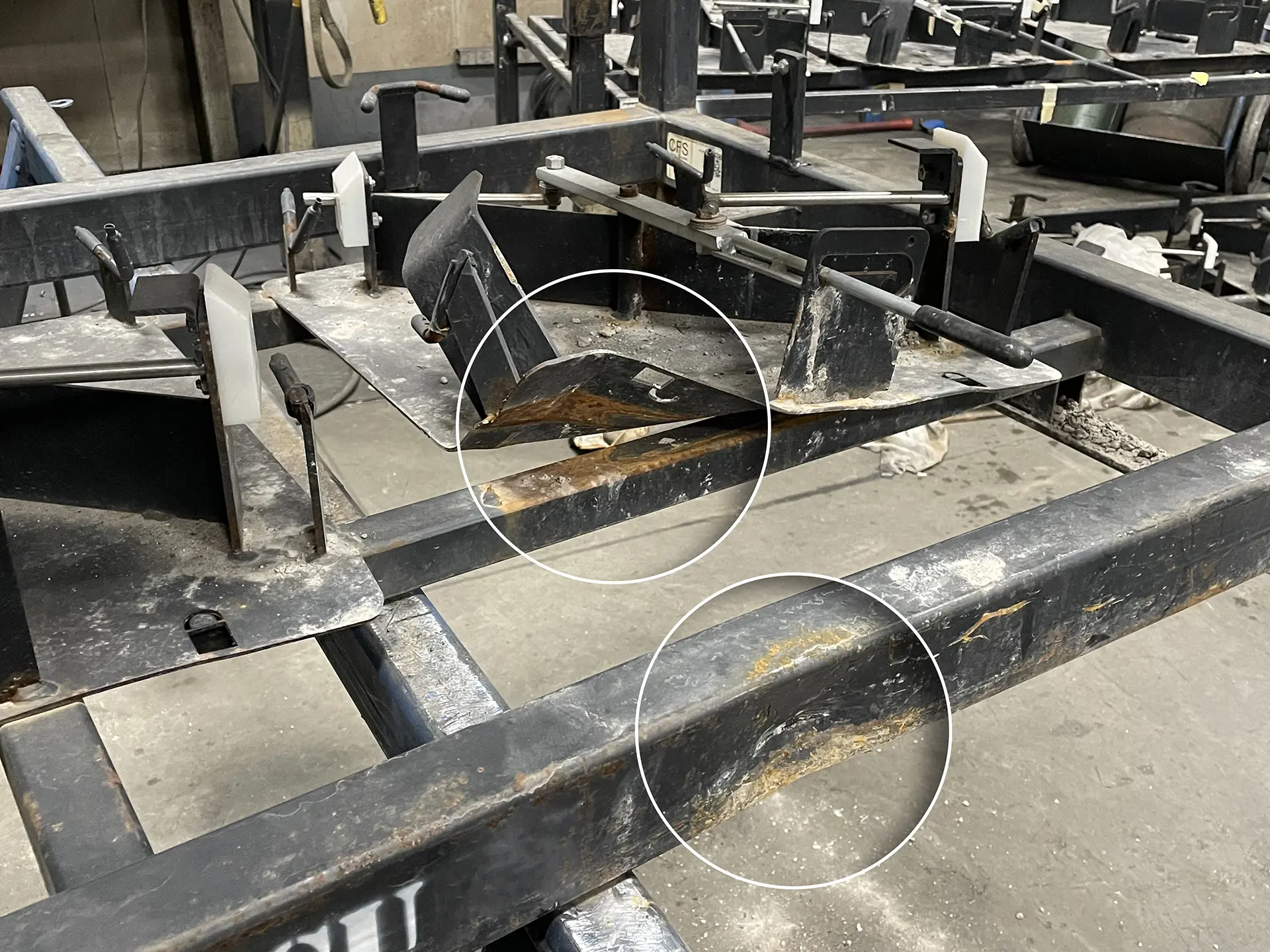
Typical issues include bent uprights, cracked welds, worn fork pockets, damaged bases, missing components, and corrosion from environmental exposure. Surface damage, such as chipped paint or rust, can also accelerate structural deterioration if left unaddressed.
Fleet refurbishment programs focus on correcting these problems in a controlled process, ensuring each rack meets defined structural and functional standards before returning to service.
Inspection and Evaluation: The Foundation of Refurbishment
Effective rack fleet refurbishment begins with detailed inspection and evaluation. Each rack is assessed for structural integrity, dimensional accuracy, and overall condition. This step identifies which racks are suitable for repair, which require modification, and which may be beyond economical refurbishment.
Inspection criteria typically include load-bearing components, weld quality, alignment, and signs of fatigue or deformation. By documenting these findings, refurbishment programs maintain consistency across large numbers of racks and support long-term asset tracking.
This evaluation phase also allows engineering teams to recommend design improvements that can be applied across the fleet during refurbishment.
Steel Rack Repair and Structural Restoration
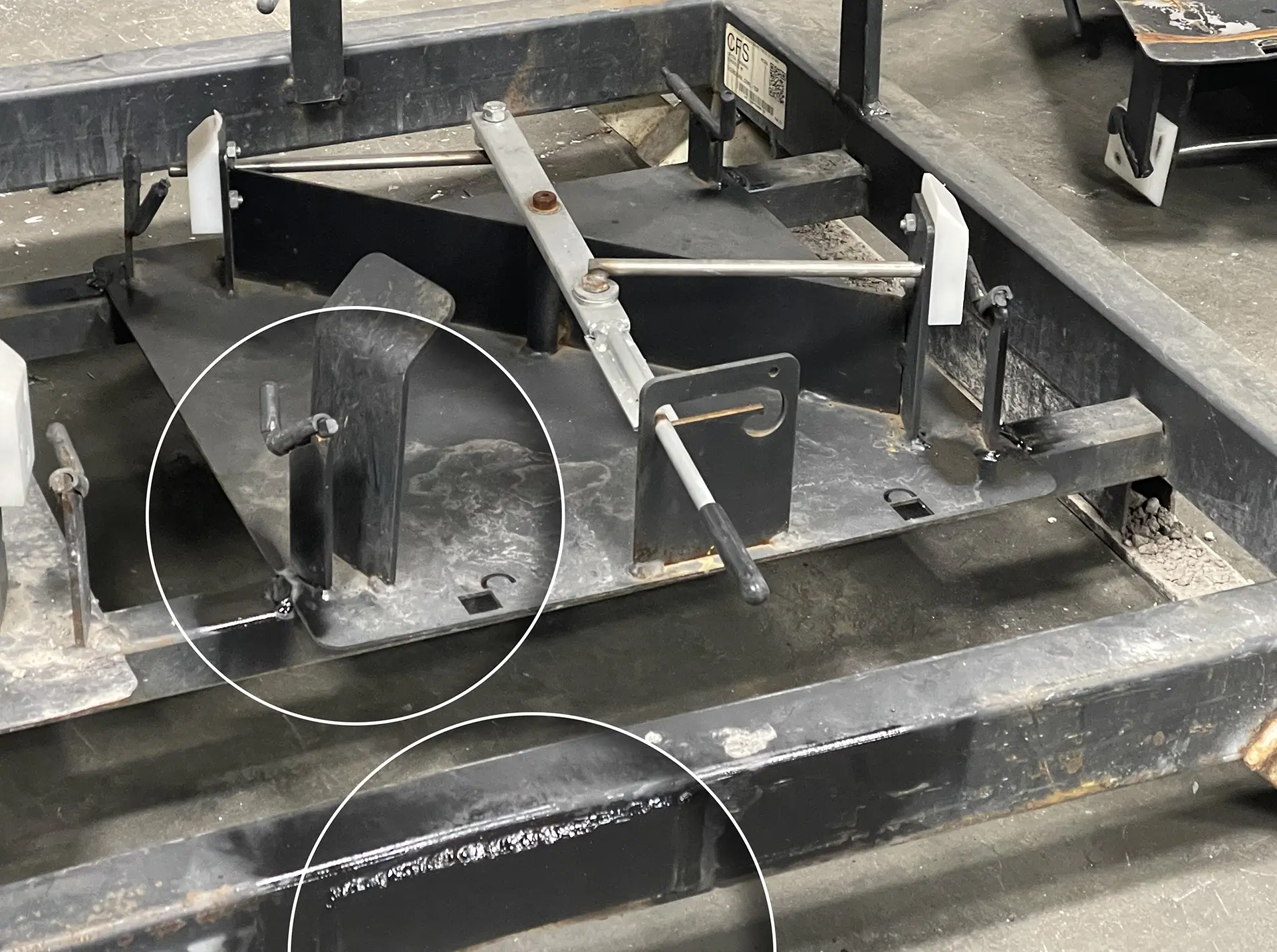
Steel rack repair is a core component of fleet refurbishment. Skilled welding and fabrication techniques are used to restore load-bearing members, repair cracks, and replace damaged sections without compromising original rack geometry.
Structural straightening is often required for racks that have been impacted during forklift handling or transportation. Correcting misalignment ensures racks stack properly, interface correctly with automation or conveyors, and distribute loads as designed.
These repairs are performed to maintain or exceed the rack’s original structural performance, supporting safe reuse in demanding industrial environments.
Rack Modification for Changing Operations
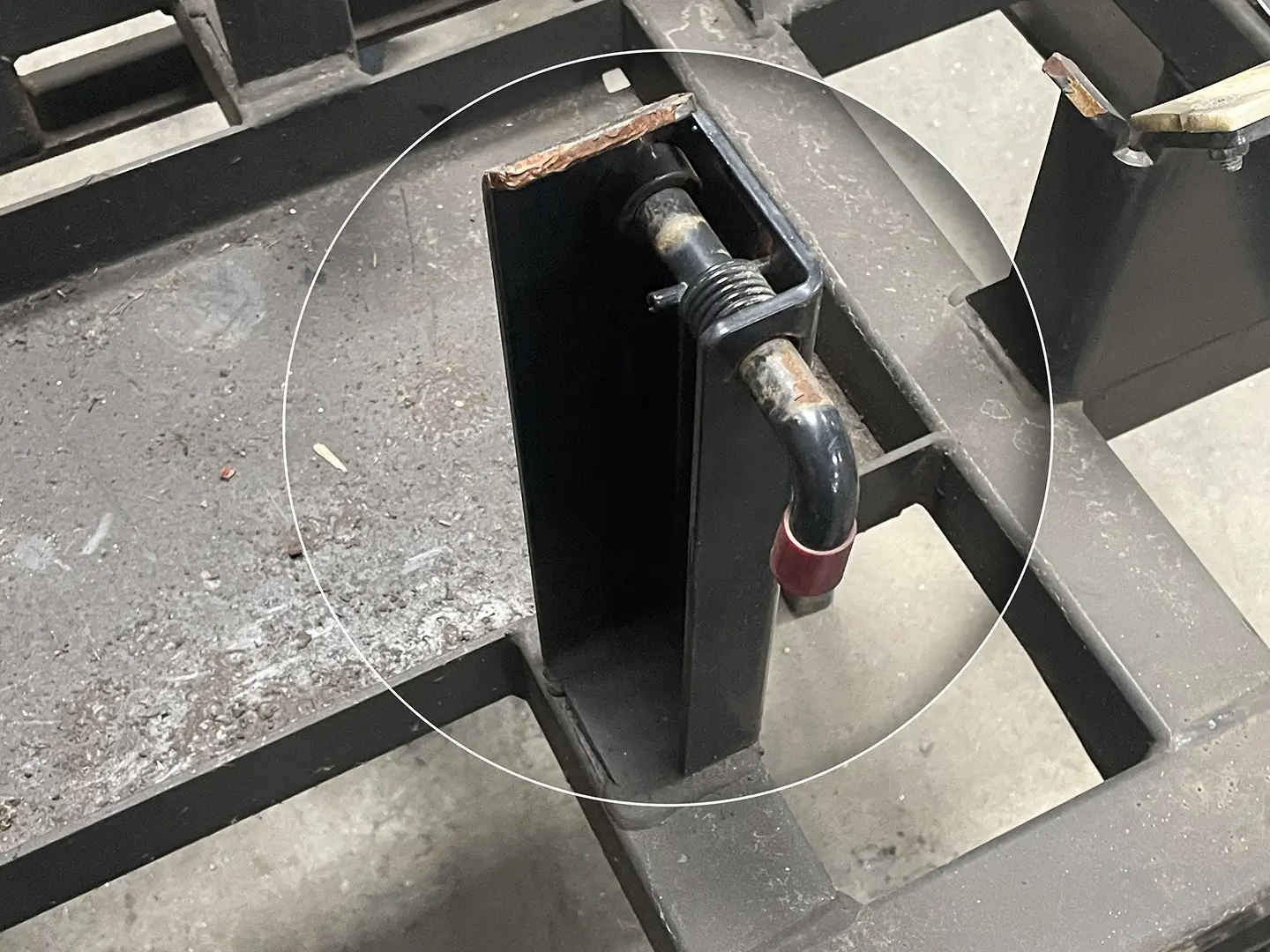
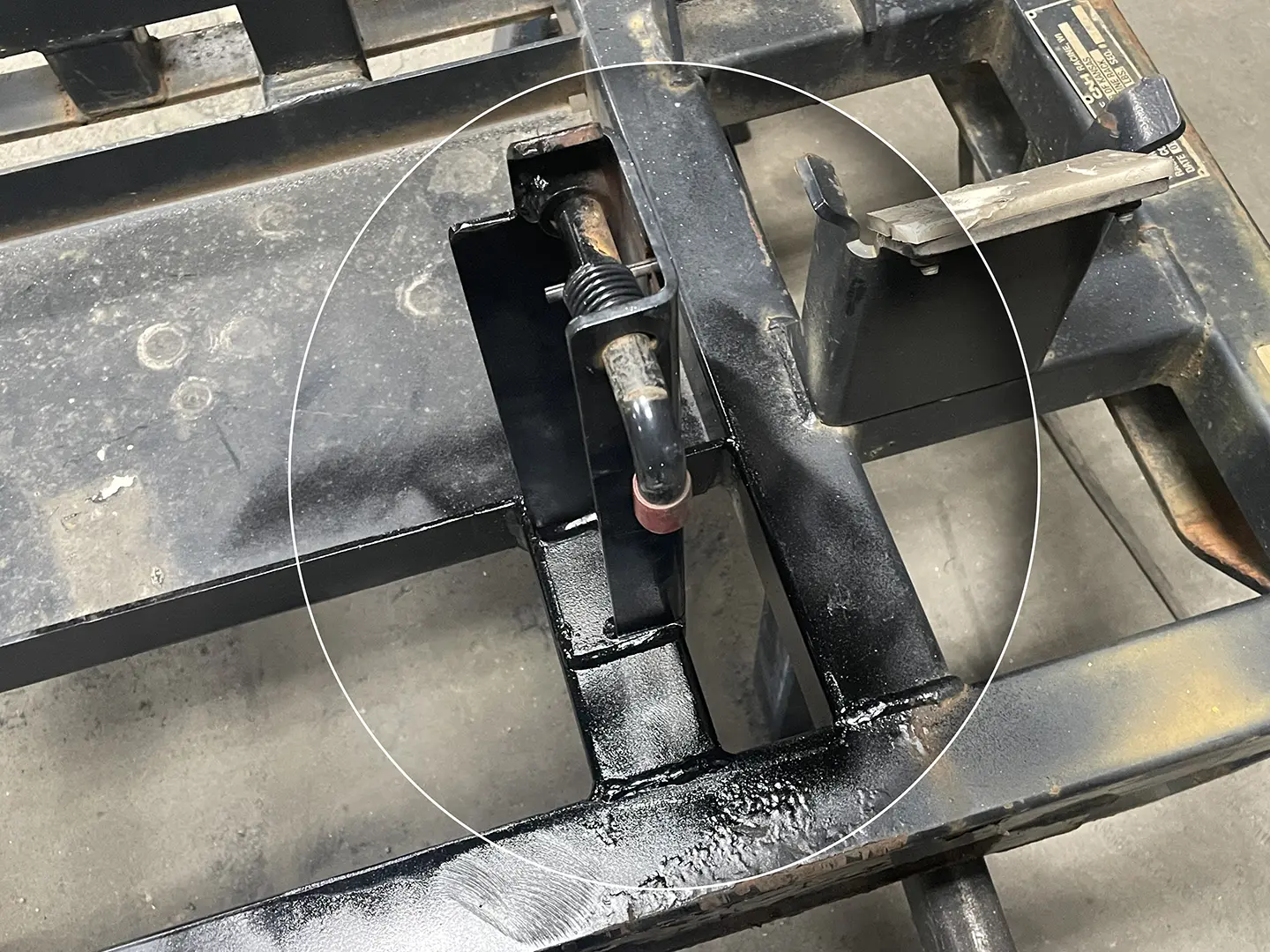
In many cases, refurbishment is an opportunity to adapt racks to new operational requirements. Changes in product size, packaging, or handling equipment can make existing racks inefficient or incompatible without modification.
Rack modification services may include resizing bays, adding or relocating supports, reinforcing high-wear areas, or integrating features such as guides, stops, or fork entry enhancements. These changes allow refurbished racks to align with current workflows rather than forcing operations to adapt to outdated designs.
By combining repair and modification into a single program, organizations avoid managing multiple rack types and simplify material-handling processes.
Managing Large-Scale Rack Fleets
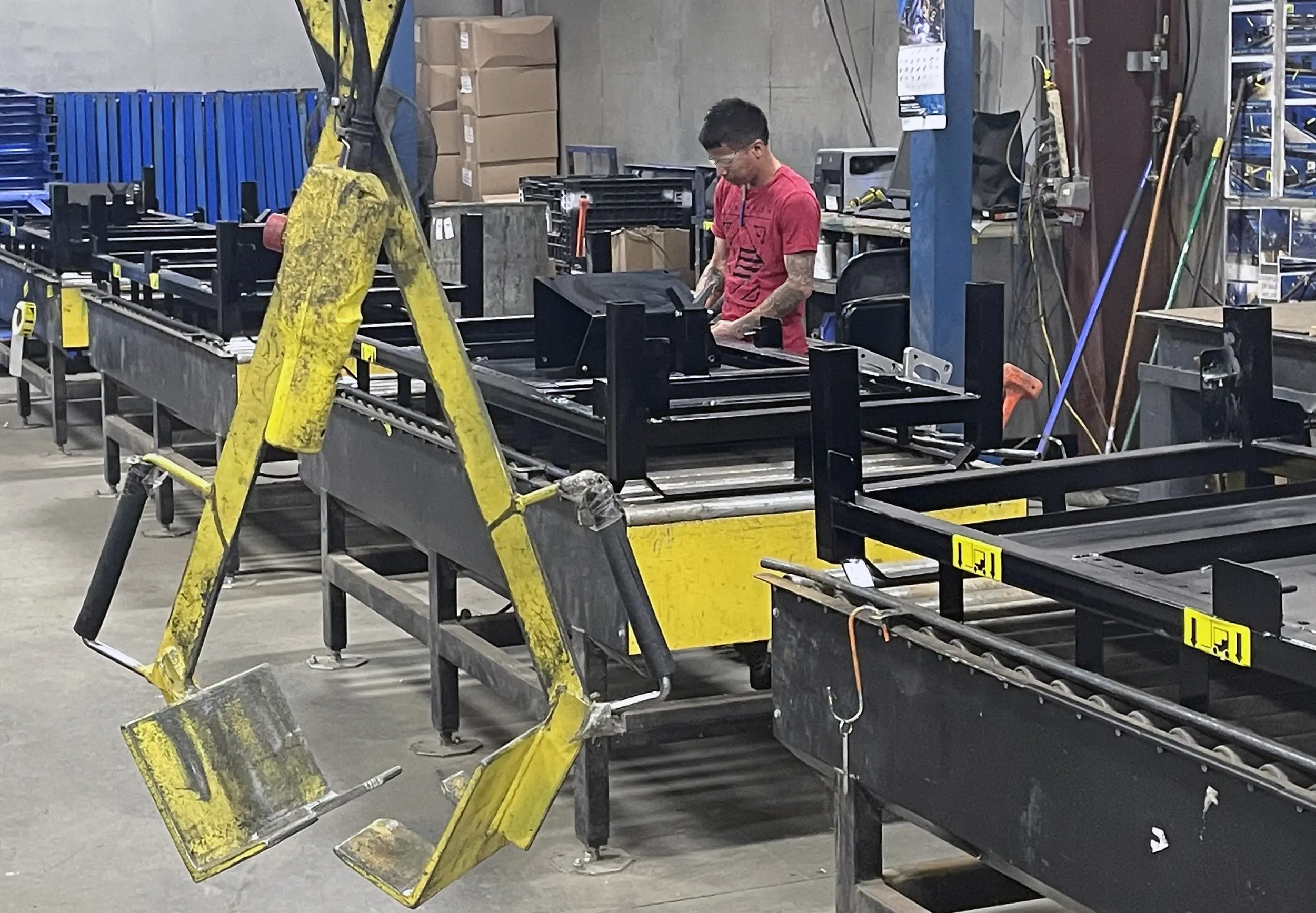
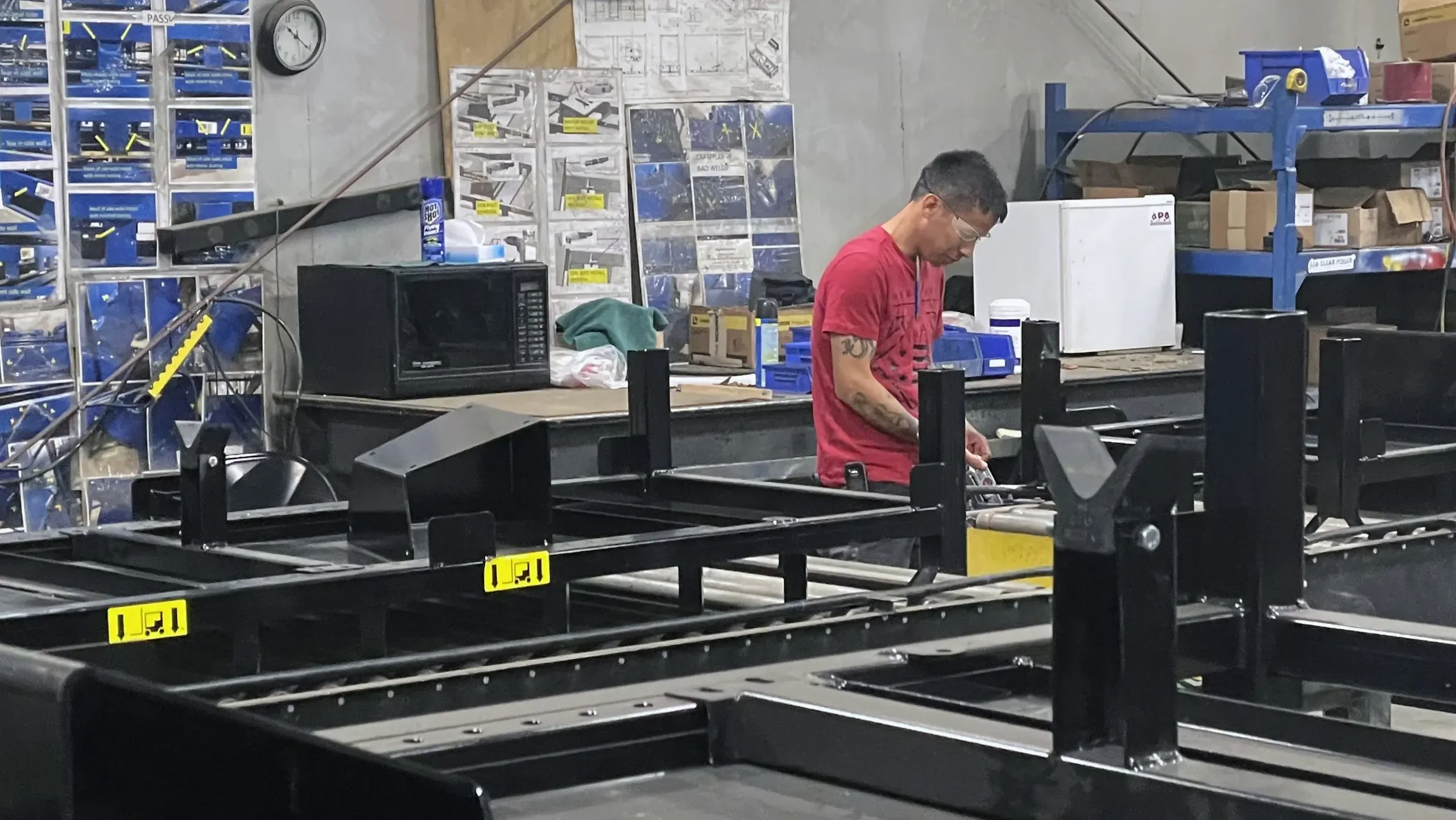
Material handling rack fleet refurbishment requires coordination, scheduling, and logistics planning, especially for companies operating multiple facilities or shipping lanes. Programs can be structured to refurbish racks in phases, minimizing disruption to daily operations.
Fleet-level refurbishment also supports standardization. By applying the same repair criteria and modifications across all racks, organizations achieve greater consistency in performance and handling efficiency.
This structured approach transforms rack refurbishment from a reactive maintenance task into a proactive asset management strategy.
Sustainability and Asset Lifecycle Extension
Refurbishing existing racks supports sustainability goals by reducing steel consumption, lowering energy use associated with new fabrication, and minimizing waste. Extending the usable life of material handling equipment aligns with environmental responsibility while delivering measurable cost savings.
For organizations managing returnable rack systems, refurbishment helps stabilize fleet availability and reduces the environmental impact associated with frequent replacement cycles.
Conclusion: A Smarter Approach to Rack Asset Management
Material handling rack fleet refurbishment offers a practical, cost-effective way to improve safety, performance, and longevity without the expense of full replacement. By combining inspection, steel rack repair, targeted modification, and protective finishing, organizations can restore rack fleets to reliable service while adapting to changing operational needs.
Plymouth Industries provides engineered rack fleet refurbishment solutions designed to support high-volume industrial operations. Contact Plymouth Industries today to discuss your material handling rack fleet refurbishment needs and develop a program that extends the value of your existing assets while supporting long-term operational efficiency.