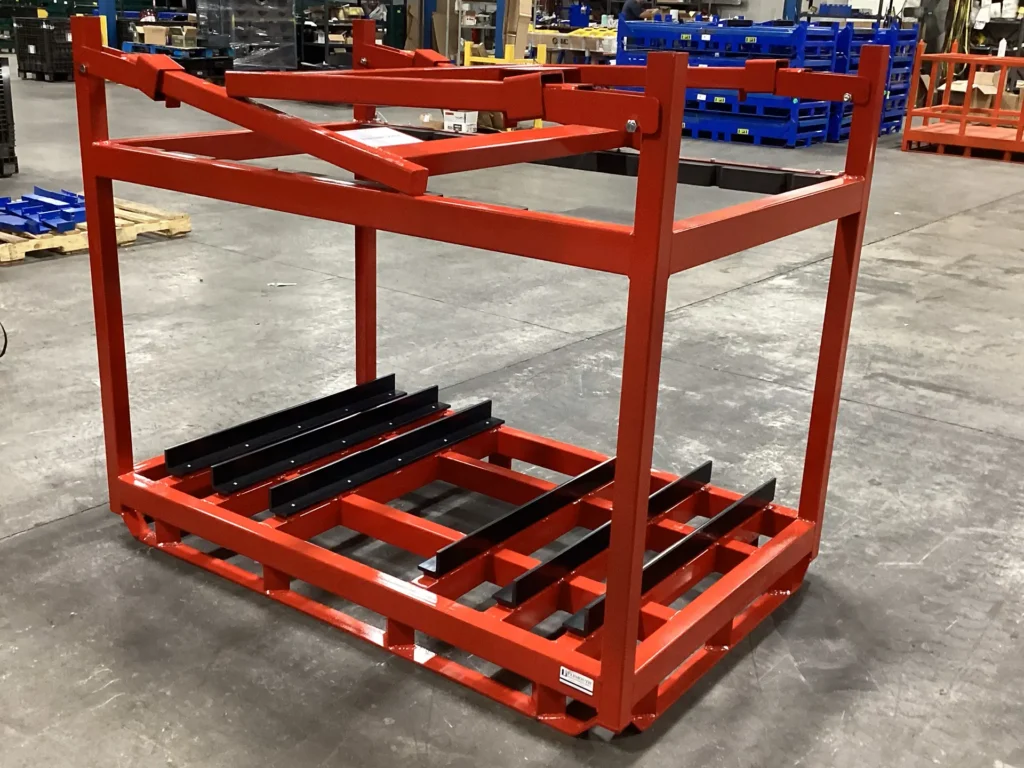
Efficient engine transportation is critical for manufacturers that move finished powertrain assemblies between production facilities, distribution centers, and dealer networks. In industries such as marine propulsion, powersports, and specialty equipment manufacturing, engines are high-value components that require secure, repeatable, and damage-resistant packaging during transit. Returnable shipping racks provide a durable, cost-effective solution designed specifically for these demanding logistics environments.
Unlike disposable pallets or single-use packaging, custom returnable shipping racks are engineered to protect engines during repeated transport cycles while improving warehouse efficiency and reducing long-term packaging costs. For OEM manufacturers and Tier-1 suppliers, these racks play a central role in building a streamlined closed-loop logistics system.
Manufacturers across the marine engine, motorcycle, and performance equipment sectors rely on returnable rack systems to move engines safely from assembly plants to distribution hubs and dealer networks. With custom fabrication, precision fitment, and durable construction, returnable racks are designed to withstand the rigors of industrial transportation while maintaining consistent product protection.
Why Returnable Shipping Racks Matter for Engine Transportation
Engines are heavy, complex assemblies that often include delicate components such as sensors, fuel systems, and wiring harnesses. During transportation, vibration, improper stacking, or shifting loads can lead to costly damage or delays.
Returnable shipping racks solve these challenges by providing engineered containment and controlled handling points for each engine unit. A well-designed rack system offers several advantages:
- Consistent engine positioning to prevent movement during transit
- Improved load stability for truck, rail, or container shipping
- Reduced packaging waste compared to disposable materials
- Repeatable logistics cycles between plants and distribution centers
- Lower long-term packaging costs
These benefits are particularly valuable in industries where engines are shipped in large volumes and must arrive ready for installation or final assembly.
By integrating returnable racks into their supply chain, manufacturers can create a more reliable and sustainable shipping process.
Custom Engine Shipping Rack Design
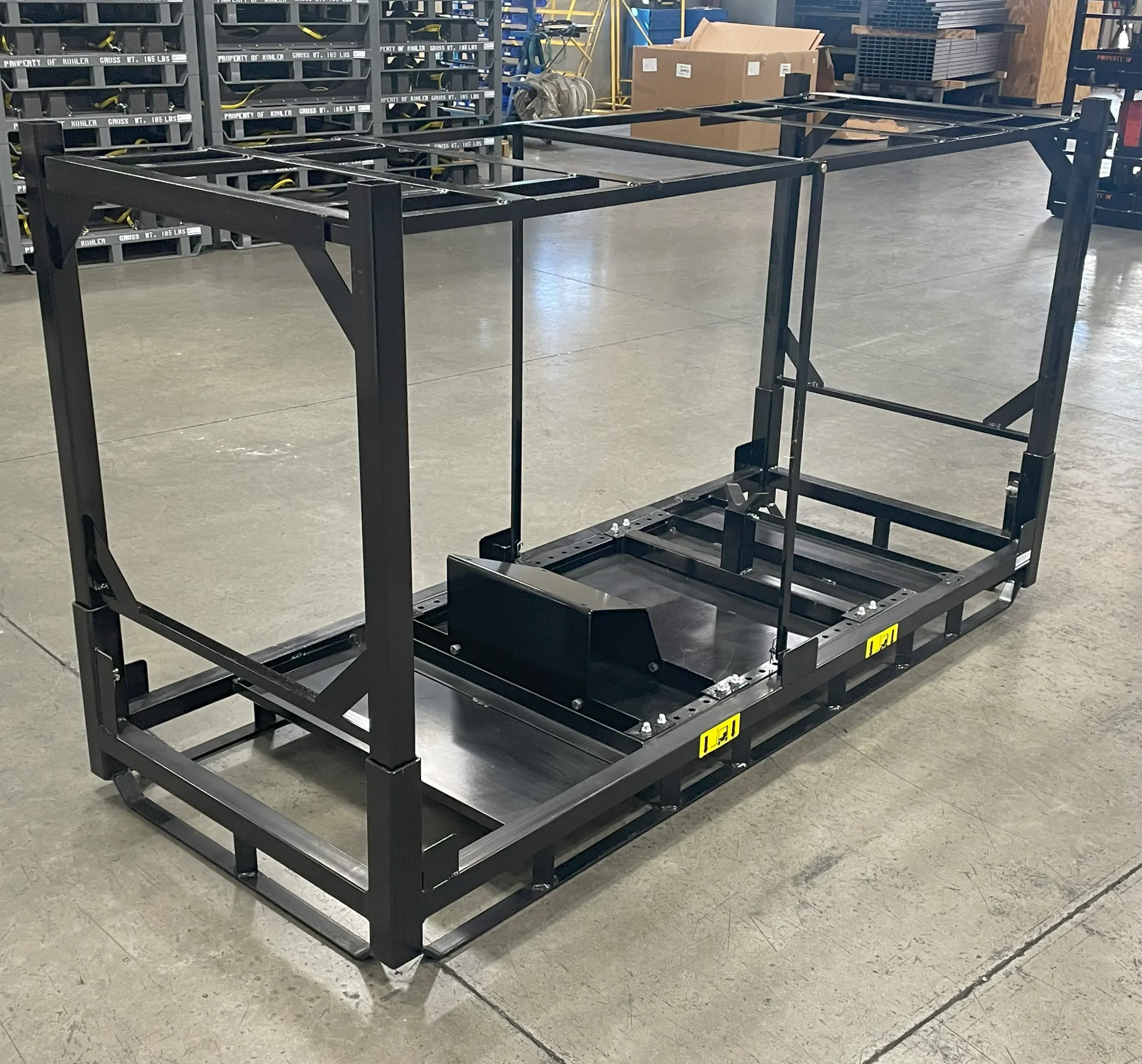
Every engine platform has unique dimensions, weight distribution, and handling requirements. Because of this, a custom shipping rack design is essential to ensure safe and efficient transportation.
Engine shipping racks are typically designed with features such as:
- Precision locating points that match engine mounting surfaces
- Heavy-duty steel frames built for high load capacity
- Forklift and crane handling points for safe material handling
- Stackable rack configurations to maximize trailer space
- Protective contact surfaces to prevent cosmetic or functional damage
At facilities that produce multiple engine models, rack systems can also be engineered to accommodate different configurations or interchangeable components.
Custom rack fabrication ensures that each unit provides the right combination of protection, durability, and handling efficiency for the specific engine application.
Improving Logistics Efficiency with Returnable Rack Systems
Beyond product protection, returnable racks improve overall logistics efficiency throughout the manufacturing supply chain.
Space Optimization
Stackable rack designs allow manufacturers to maximize trailer and warehouse capacity. When racks are designed to nest or collapse when empty, they also reduce return shipping costs.
Faster Handling
Engine racks can be designed for forklift or automated material handling systems, allowing quick loading and unloading at production lines, warehouses, and dealerships.
Inventory Control
Standardized rack systems create consistency across facilities, making it easier to track shipments and manage return cycles.
Reduced Packaging Waste
Reusable racks eliminate the need for large volumes of cardboard, foam, or wood packaging materials, supporting sustainability goals and reducing disposal costs.
These improvements make returnable racks a key component in modern industrial packaging and material handling strategies.
Thermoformed Inserts for Engine Protection
In many engine shipping applications, racks incorporate thermoformed plastic inserts to provide additional protection for sensitive components.
Thermoformed trays or cradles can be molded to match the exact shape of engine parts, ensuring consistent positioning and preventing movement during transport. This is especially important when engines include exposed electronics, sensors, or fuel components.
Benefits of thermoformed inserts include:
- Custom-fit protection for complex geometries
- Reduced vibration and shock during transportation
- Lightweight yet durable material construction
- Easy cleaning for long service life
Thermoformed inserts can also help guide operators during loading by providing clearly defined placement points for each engine assembly.
Built for Heavy-Duty Industrial Use
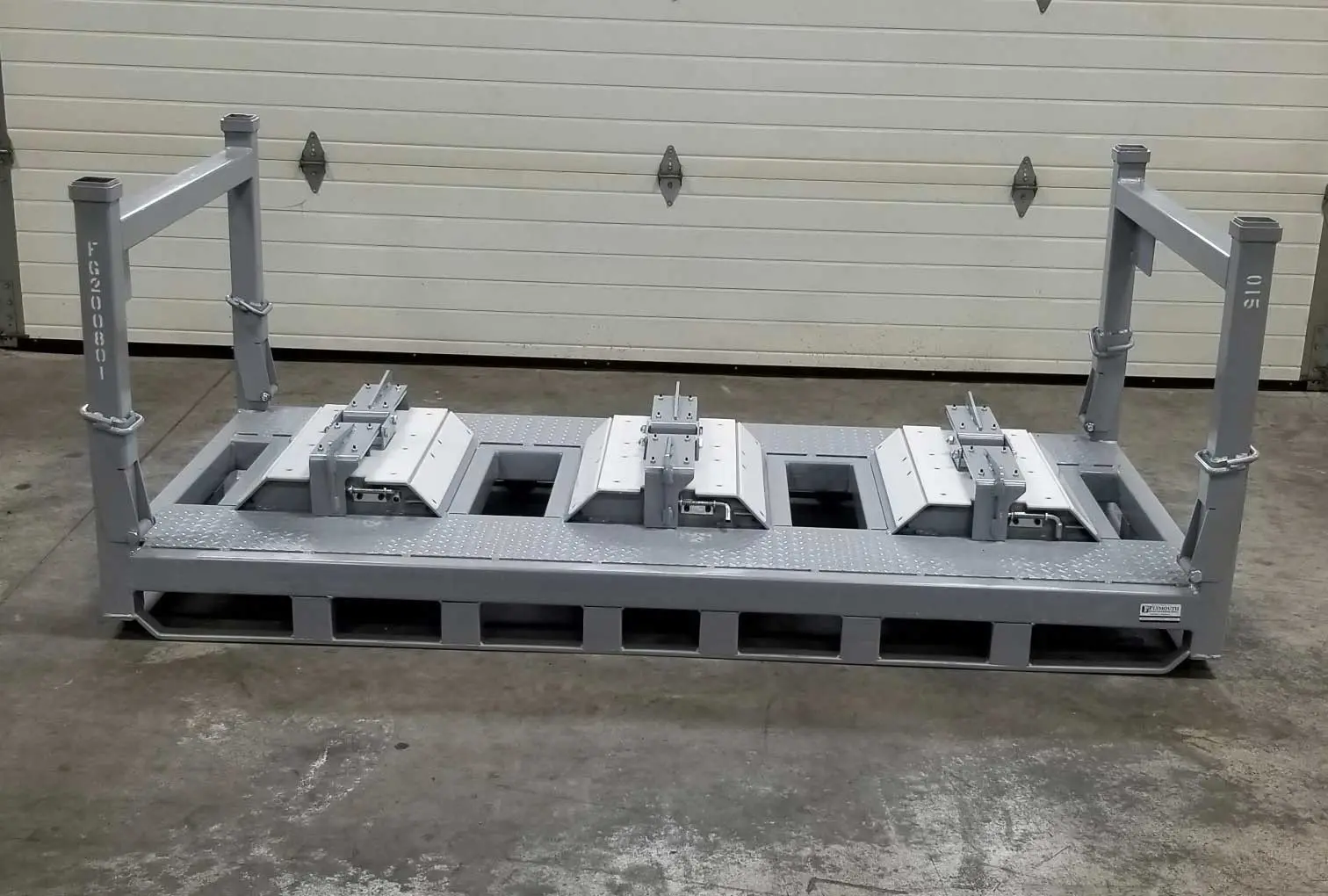
Engine shipping racks must withstand hundreds or thousands of logistics cycles while carrying heavy loads. Because of this, industrial shipping racks are engineered with structural strength and durability as primary design considerations.
Typical construction features include:
- Welded steel frames for maximum load capacity
- Reinforced base structures for forklift handling
- Powder-coated finishes for corrosion resistance
- Replaceable wear components to extend service life
- Stackable designs for efficient storage and shipping
These heavy-duty features allow racks to remain in service for many years while maintaining consistent performance.
Supporting Closed-Loop Supply Chains
Many engine manufacturers operate closed-loop logistics systems in which racks circulate among manufacturing plants, distribution centers, and dealerships.
In this system:
- Engines are loaded into returnable racks at the manufacturing facility.
- Racks are shipped to regional distribution hubs or dealers.
- Empty racks are returned to the production facility for reuse.
This continuous cycle reduces packaging costs and simplifies logistics planning. Because the racks are standardized, transportation teams can quickly handle large volumes of engines without repackaging or manual adjustments.
Returnable rack systems also help improve sustainability by minimizing packaging waste and reducing the need for disposable materials.
Key Considerations When Implementing Returnable Engine Racks
When manufacturers evaluate returnable shipping rack solutions, several factors should be considered during the design process:
Engine Weight and Center of Gravity
Heavy engines require racks engineered for proper load distribution and safe stacking.
Transportation Method
Truck, rail, and ocean shipping environments each introduce different vibration and handling conditions.
Handling Equipment
Racks should be compatible with forklifts, cranes, or automated systems used at each facility.
Return Logistics
Designing racks that nest or collapse when empty can significantly reduce reverse shipping costs.
By addressing these factors early in the design process, manufacturers can ensure long-term efficiency and durability.
The Role of Fabrication Expertise
High-performance rack systems require more than basic welding. Proper design and fabrication involve engineering analysis, material selection, and manufacturing precision.
Experienced fabrication teams develop racks that integrate:
- Structural load calculations
- Precision welding and fixturing
- Consistent dimensional tolerances
- Protective finishes for long service life
This level of engineering ensures racks perform reliably across hundreds or thousands of shipping cycles.
Conclusion
Returnable shipping racks play a vital role in transporting engines across manufacturing and distribution networks. By providing durable containment, consistent handling, and reusable packaging, these rack systems improve product protection while reducing long-term logistics costs.
For manufacturers in industries such as marine propulsion, powersports, and performance equipment, custom rack systems enable efficient transport of engines between facilities and dealer networks while supporting sustainable supply chain practices.
Looking to improve your engine transportation process?
Contact Plymouth Industries to discuss custom returnable shipping racks engineered for your application, and discover how a purpose-built rack system can improve logistics efficiency and product protection across your supply chain.